


The number of people living in concentrated poverty rose substantially over the past decade, according to a Brookings Institution report published on Nov. 3rd: “After declining in the 1990s, the population in extreme-poverty neighborhoods—where at least 40 percent of individuals live below the poverty line—rose by one-third from 2000 to 2005–09.”
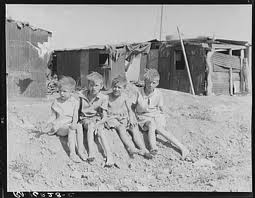
Photo by Dorothea Lange
Education reformers who ascribe to the No Excuses movement have argued that poverty shouldn’t be used an excuse for writing kids off, and the recent release of scores on the National Assessment of Educational Progress show that the gap between poor students and their more affluent peers didn’t grow during the recession.
Still, research has found that concentrated poverty is associated with lower academic outcomes, and that more poverty makes the job of educating children more difficult. Kids living in poverty often have to deal with other problems—homelessness, domestic violence, health issues—that make it hard for them to concentrate on their schoolwork, and their parents are less likely to be well-educated than other parents. But there’s also an added negative effect of concentrated poverty, above and beyond the effect of poverty at the individual level. In short, concentrated poverty can make bad situations exponentially worse. Among other things, it’s much harder to attract and keep quality teachers in poor neighborhoods.
Concentrated poverty is not rising everywhere, however. In New York City, Washington, D.C., Baltimore, New Orleans, and Los Angeles, the number of people in high-poverty neighborhoods declined over the past decade, according to the report. Around New York City, the number dropped by more than 200,000, to reach about 800,000 living in low-income tracts in the metropolitan area.
In other education reform hotspots, however—including Denver, Houston and Memphis—it’s on the rise.
Check out the cool map on the Brookings website to see if the city where you live saw concentrated poverty rise or fall in the past decade.
